NASA USLI
University Student Launch Initiative
What is NASA USLI?
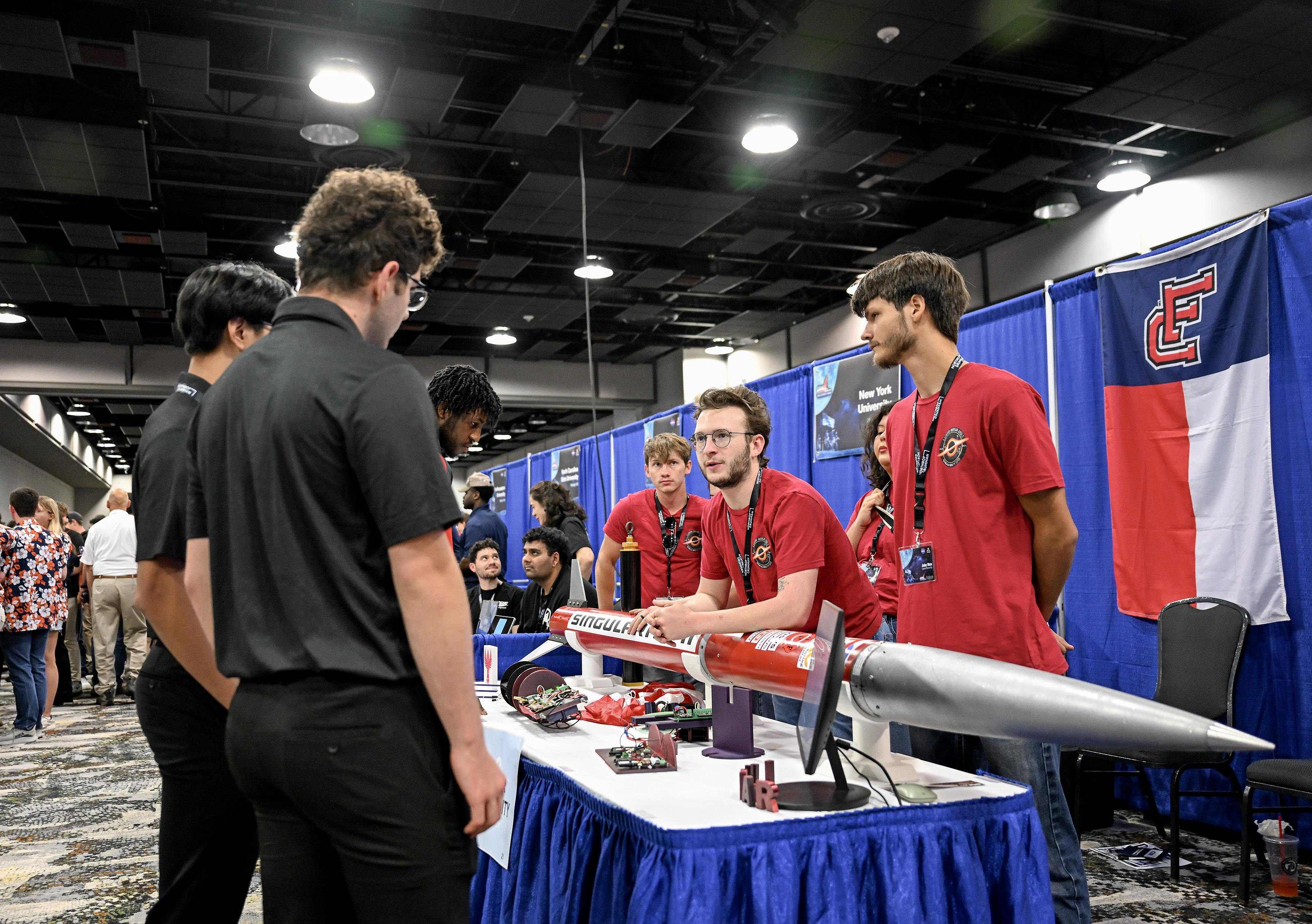
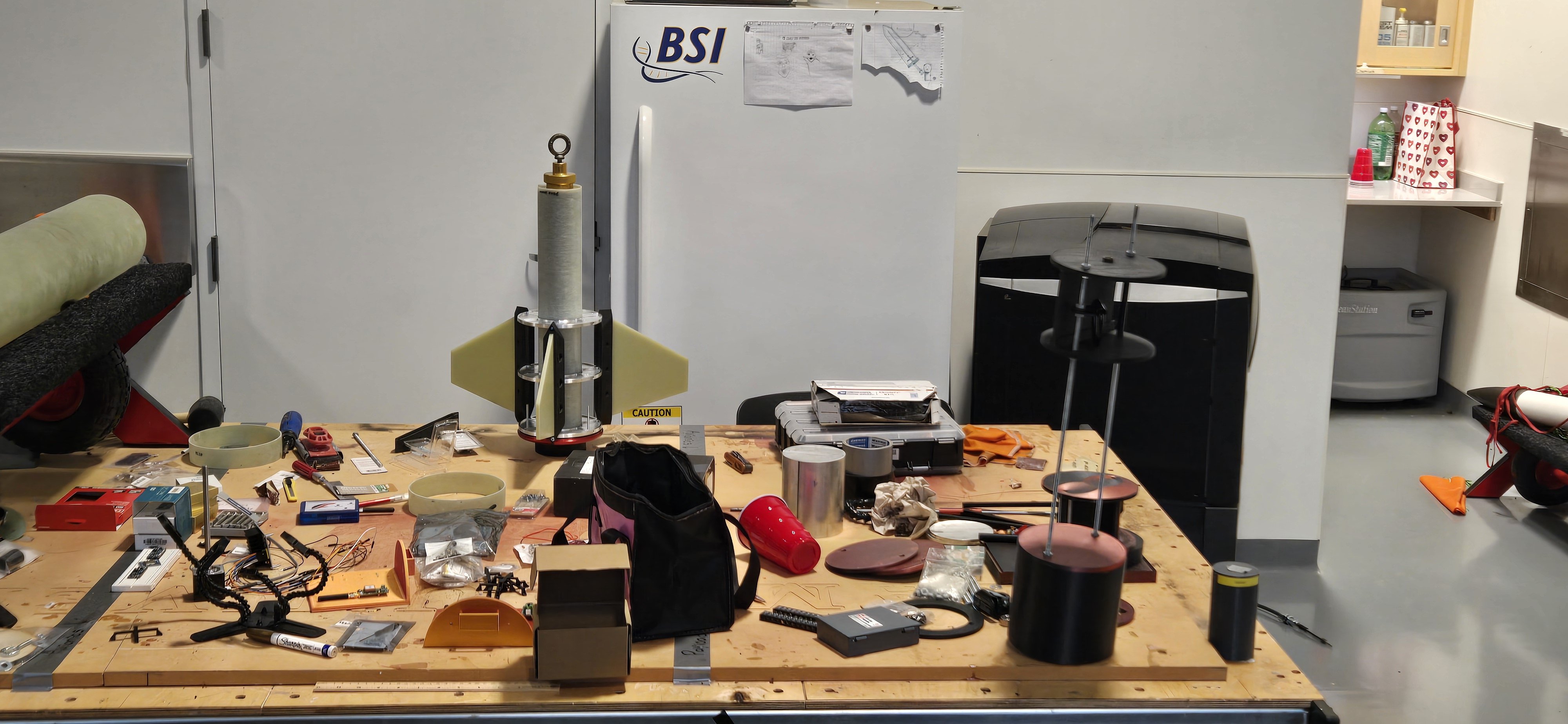
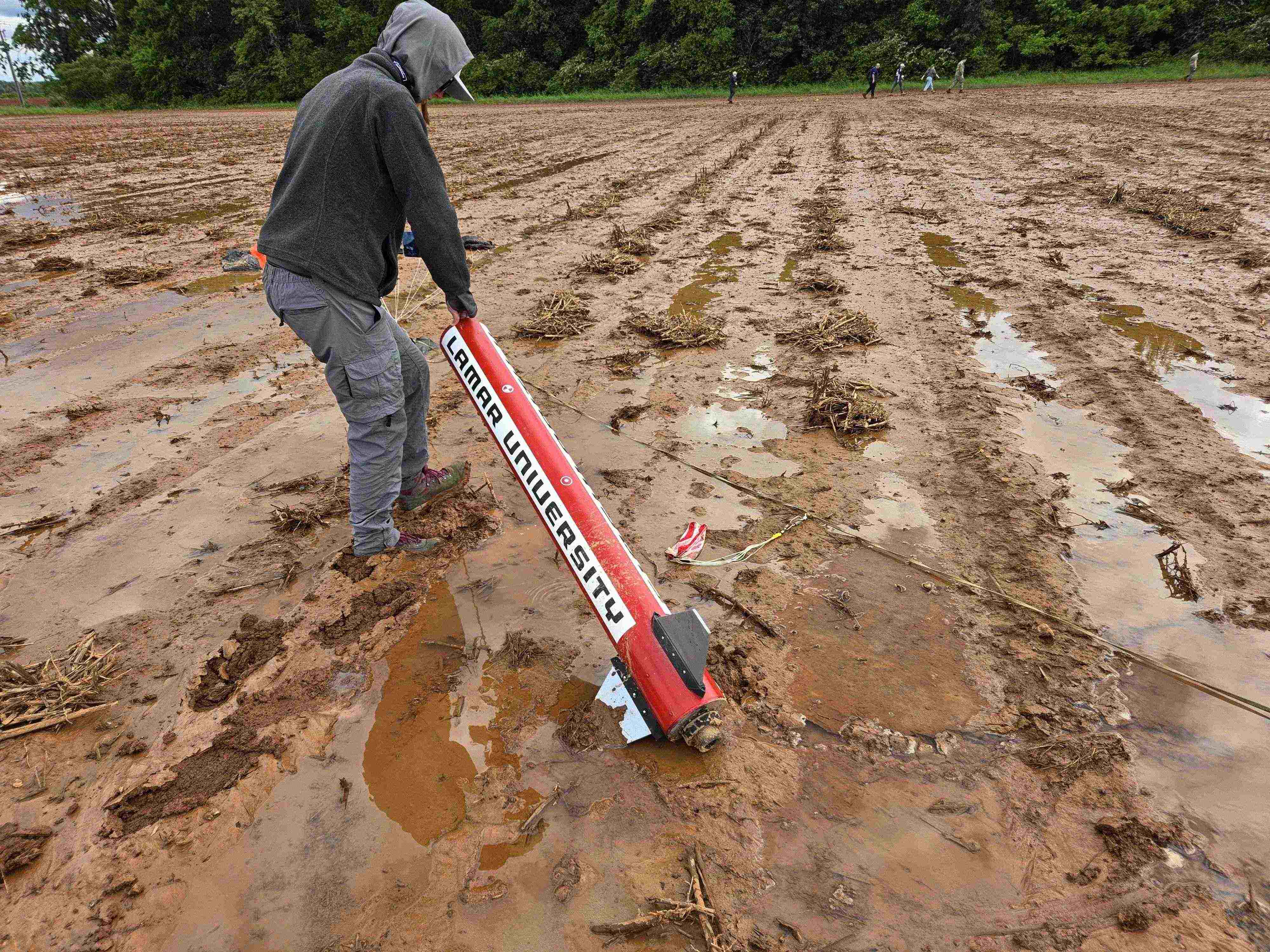
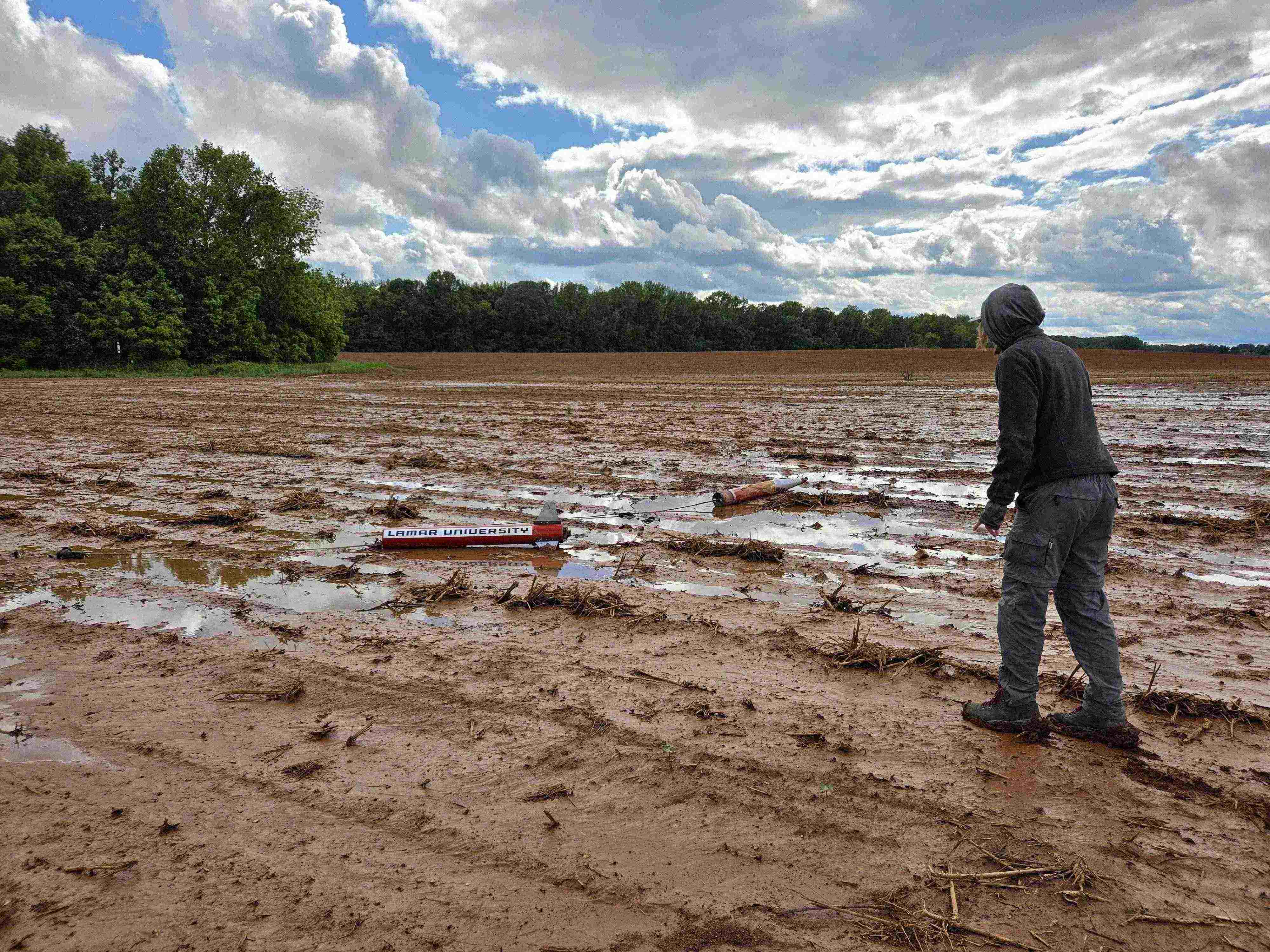
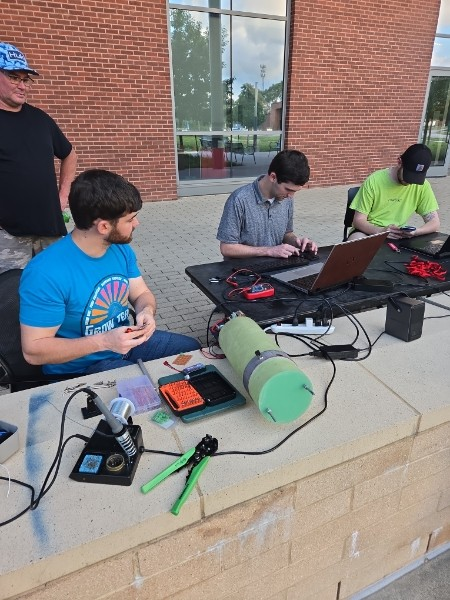
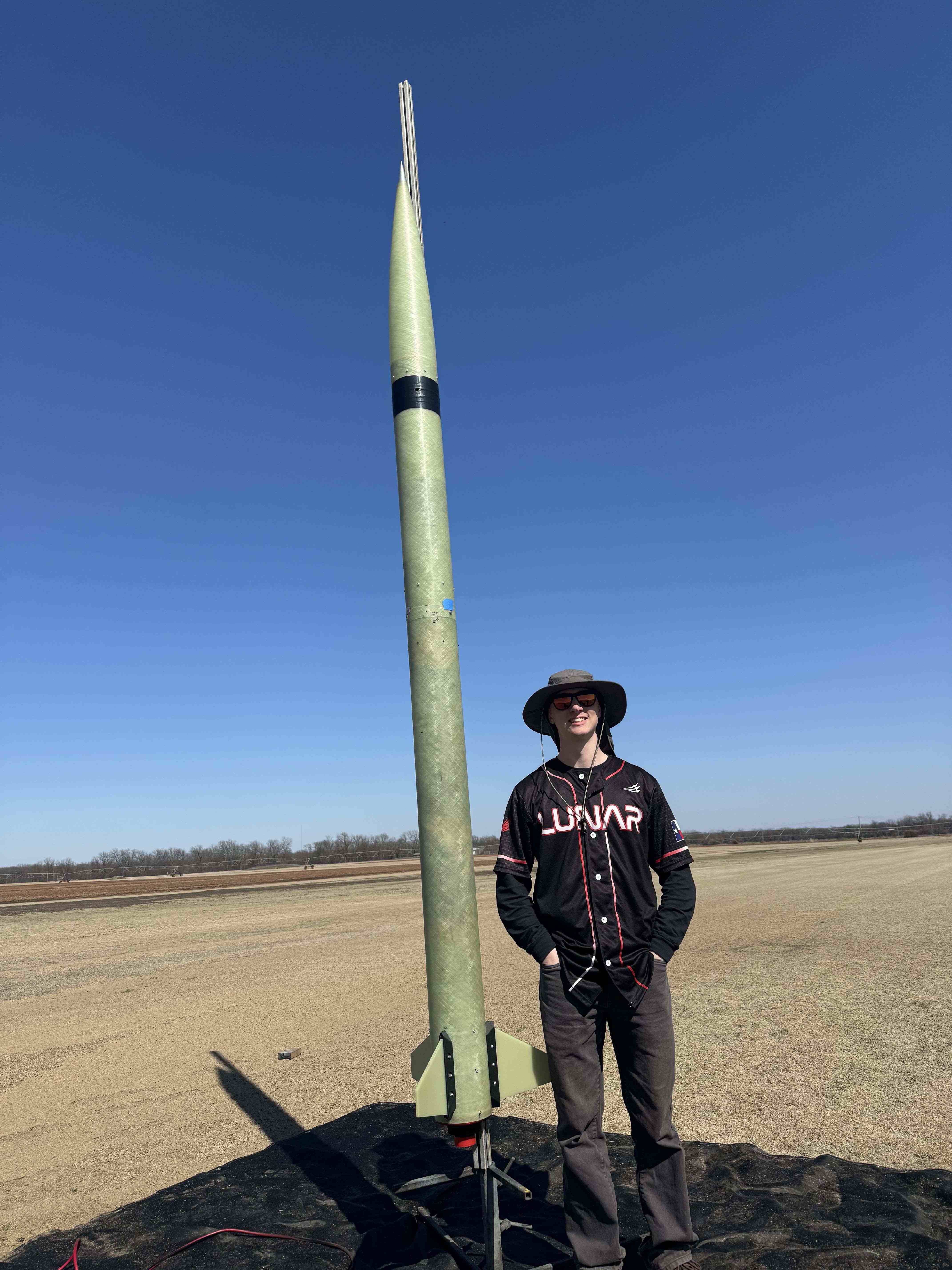
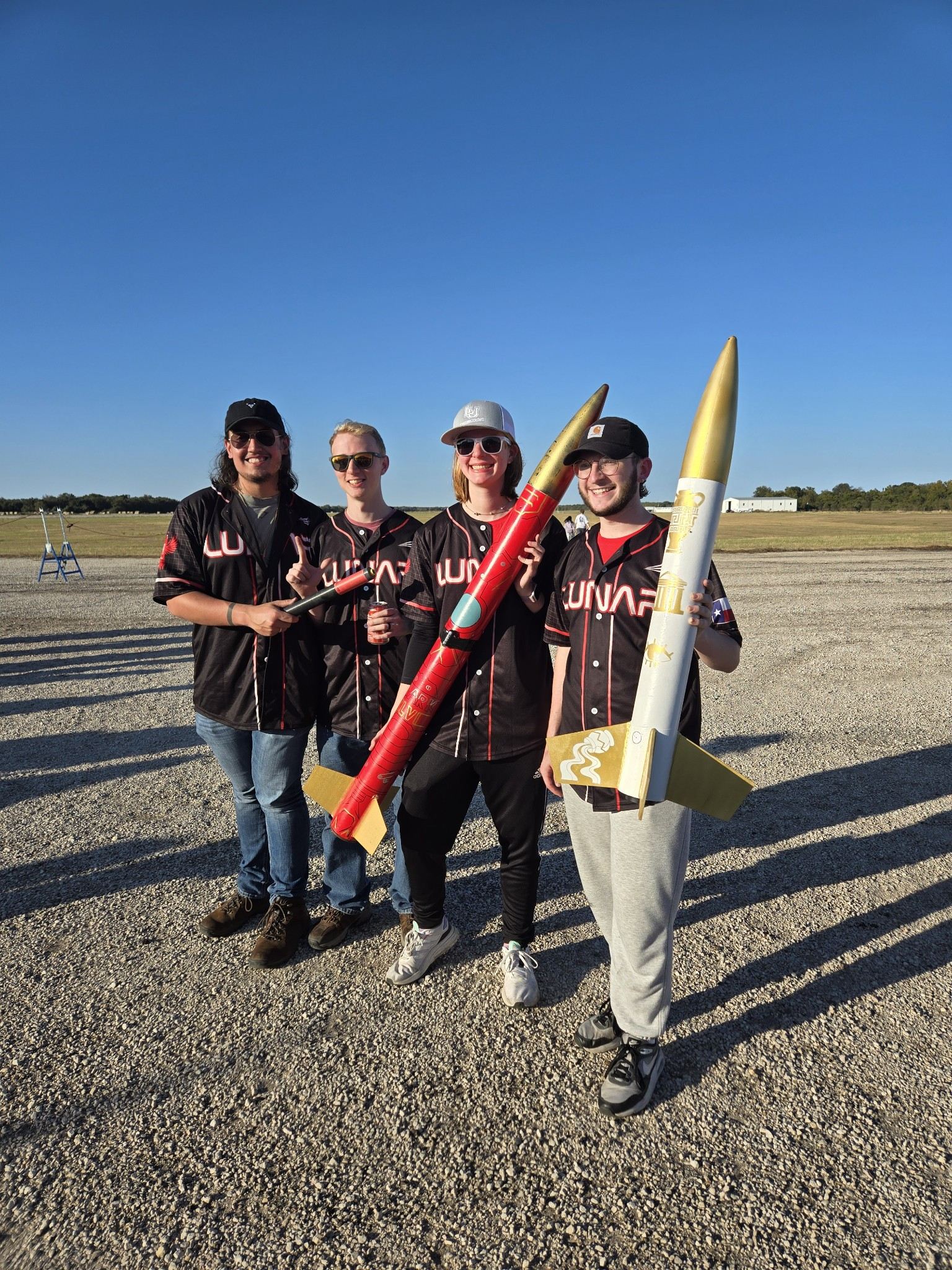
NASA's University Student Launch Initiative (USLI) is a national competition where college teams design, build, and fly reusable high powered rockets. Over the course of the academic year, students go through the same engineering process that NASA uses on real missions: from the first ideas to launch day. LUNAR participates in NASA's Student Launch Initiative (SLI) as part of the University Student Launch (USLI) Division. During LUNAR's nine month preparation for the competition. Introduce the competition, requirements, etc.
The Challenge
USLI is more than just launching a rocket. Each team has to design both a vehicle and a payload that meets NASA's goals for the given year. For 2025-2026, college teams are building a Habitat for Agricultural Utilization Study (HAUS). This payload is meant to support soil sample collection and four “STEMnaut” crew members. It will contain equipment to support agricultural research operations.
Why It Matters
The Student Launch Initiative helps prepare the next generation of explorers and engineers. By working on complex areospace problems, students learn the skills they'll need for future missions to the Moon, Mars, and beyond. The competition is one way NASA builds the workforce that will make space exploration possible.
Our Role at LUNAR
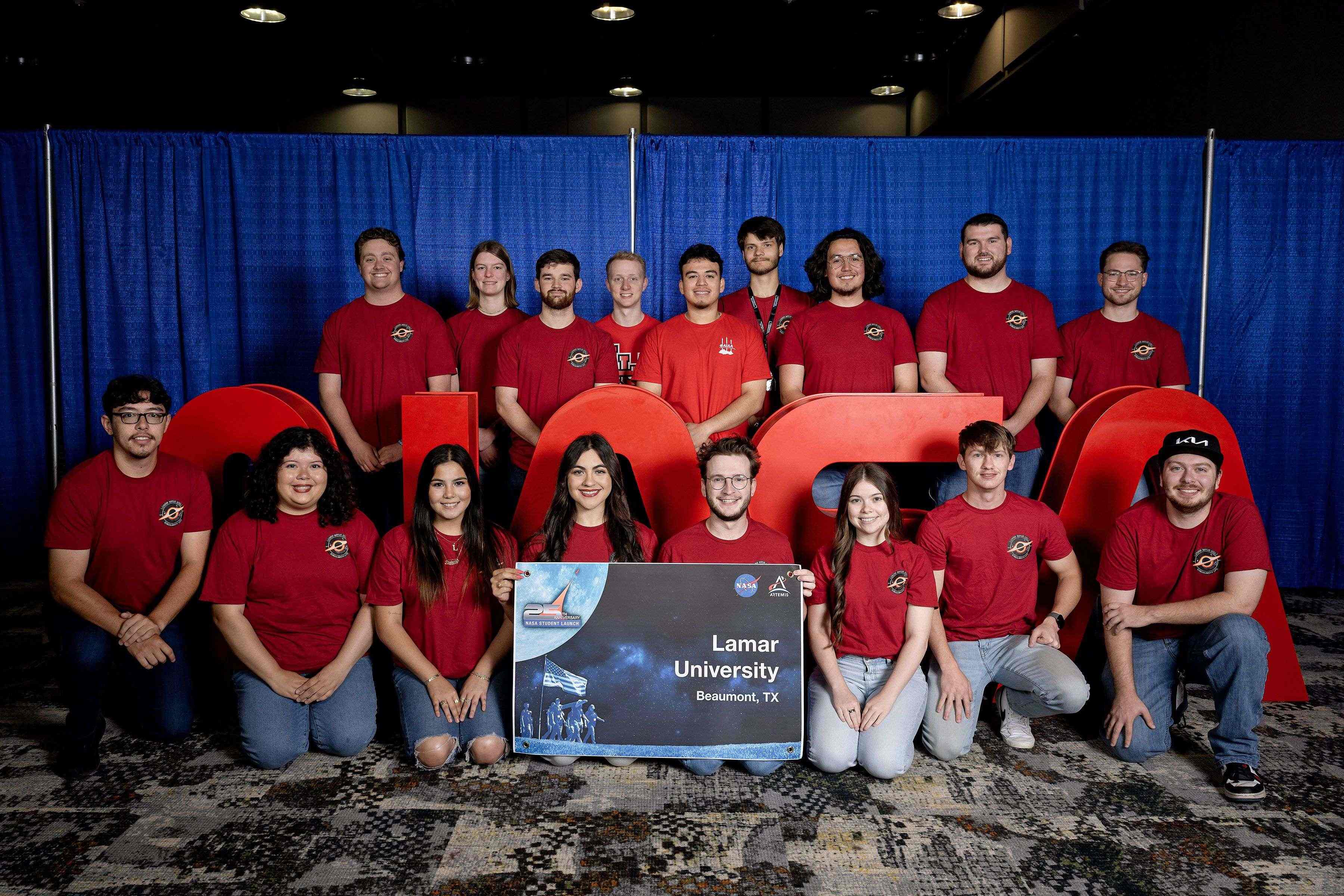
LUNAR participates in NASA's Student Launch Initiative (SLI) as part of the University Student Launch (USLI) Division. We spend nine months designing, building, and testing a rocket and payload that meet NASA's requirements.
USLI Competition Timeline
This timeline reflects our progress through the USLI 2024-2025 competition.
Request for Proposal Released
NASA releases the official USLI Request for Proposal (RFP), kicking off the competition season.
Proposal Submission
Teams submit their mission proposal to NASA outlining goals, structure, and preliminary design.
Preliminary Design Review (PDR) Submission
Submit PDR materials by October 28. Teams present their design plans and analysis to NASA. PDR video conferences follow in November.
Subscale Flight & Critical Design Review (CDR) Due
Submit CDR materials and complete subscale flight testing by the deadline. CDR video conferences occur January 15 – February 6.
Vehicle Demonstration Flight & FRR Submission
Conduct vehicle demonstration flight and submit FRR materials. FRR video conferences take place March 24 – April 11.
Launch Preparation
Teams finalize Payload and Vehicle Demonstration flights and prepare for Launch Week in Huntsville.
Launch Week in Huntsville
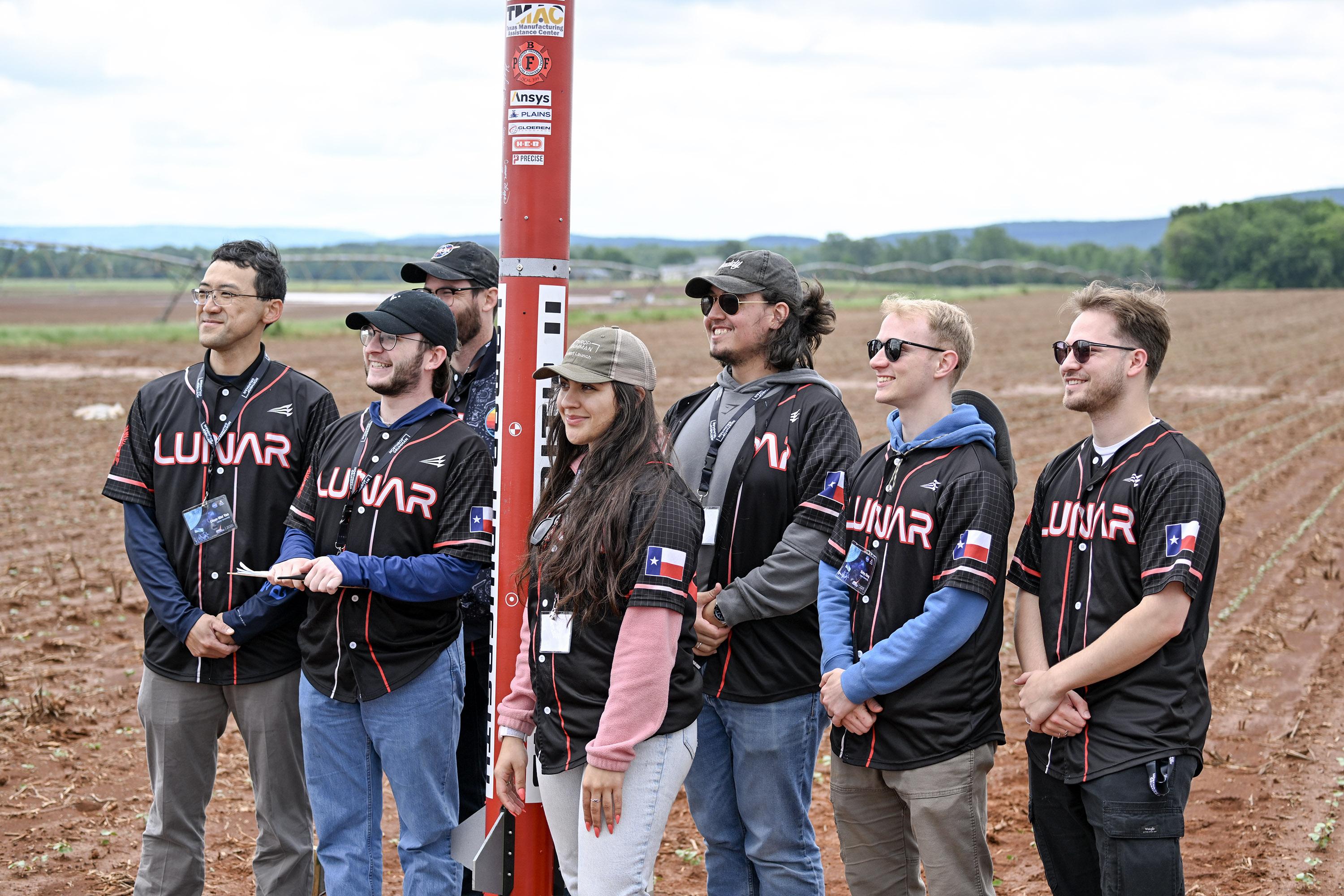
Teams travel to Huntsville for NASA Student Launch Week for the official launch day.
Post-Launch Assessment Review (PLAR)
Submit final PLAR report summarizing launch results, lessons learned, and mission performance data.
USLI Reports Overview
Proposal
The Proposal is the initial document submitted to NASA that outlines the mission concept, goals, and team structure. Acceptance determines entry into the USLI competition.
Preliminary Design Review (PDR)
The PDR demonstrates that the team’s proposed design is feasible and meets all NASA Student Launch requirements before construction begins.
Critical Design Review (CDR)
The CDR confirms that the rocket and payload designs are ready for full-scale fabrication, integration, and testing.
Flight Readiness Review (FRR)
The FRR verifies through analysis, testing, and demonstrations that the team’s vehicle is flight-ready and safe for launch operations.
Launch Readiness Review (LRR)
Conducted by NASA and the National Association of Rocketry (NAR), the LRR is a hands-on inspection confirming each rocket and payload is safe and compliant before flight.
Post-Launch Assessment Review (PLAR)
The PLAR evaluates launch performance, mission success, and lessons learned following the team’s final competition flight.
Watch our Rocket Launches!
Competition Gallery